Entry · Ref Z1-9LER6
When Cosmetic Repairs Needed Becomes a Bigger Problem: What Homeowners Should Know
- Posted
- 2026-10-27
- Last amended
- 2026-10-27
- Account
- @mycosmeticrepairsneededcorner
Last spring, I walked through a house that looked perfect from the street. Fresh paint, nice landscaping, a porch swing. But the moment I stepped inside, I saw the ceiling stains, the cracked tile, the window that wouldn't quite close. The seller had done everything to hide what was underneath. And what was underneath? A roof that was probably ten years past its useful life and an HVAC system that sounded like it was running on fumes.
That house is a classic example of cosmetic repairs needed. On the surface, it felt like a weekend project. But once you peeled back the layers, the real story was about structural damage, an electrical upgrade that had been deferred for a decade, and foundation issues that were quietly getting worse with every rainstorm. The seller was asking top dollar because the paint looked fresh. The buyers were about to walk into a nightmare.
This is the moment when a real estate agent earns their commission. Because lots of people see a house with cosmetic repairs needed and think they are getting a deal. They imagine themselves with a paintbrush and a weekend of work. But the difference between a house that needs a fresh coat of paint and a house that needs a new roof is the difference between a smart investment and a money pit. And that difference is not always visible to the naked eye.
What Does Cosmetic Repairs Needed Actually Mean?
In the real estate world, that phrase can mean anything from outdated wallpaper to a bathroom that needs to be gutted. It is a catch-all for anything that affects the look of a home but not necessarily its function. But here is the tricky part: sellers and their agents sometimes use it as a soft way to describe problems that go deeper than cosmetics. A hairline crack in the foundation might look like a cosmetic issue. It is not. A roof replacement is never cosmetic. It is a capital expense.
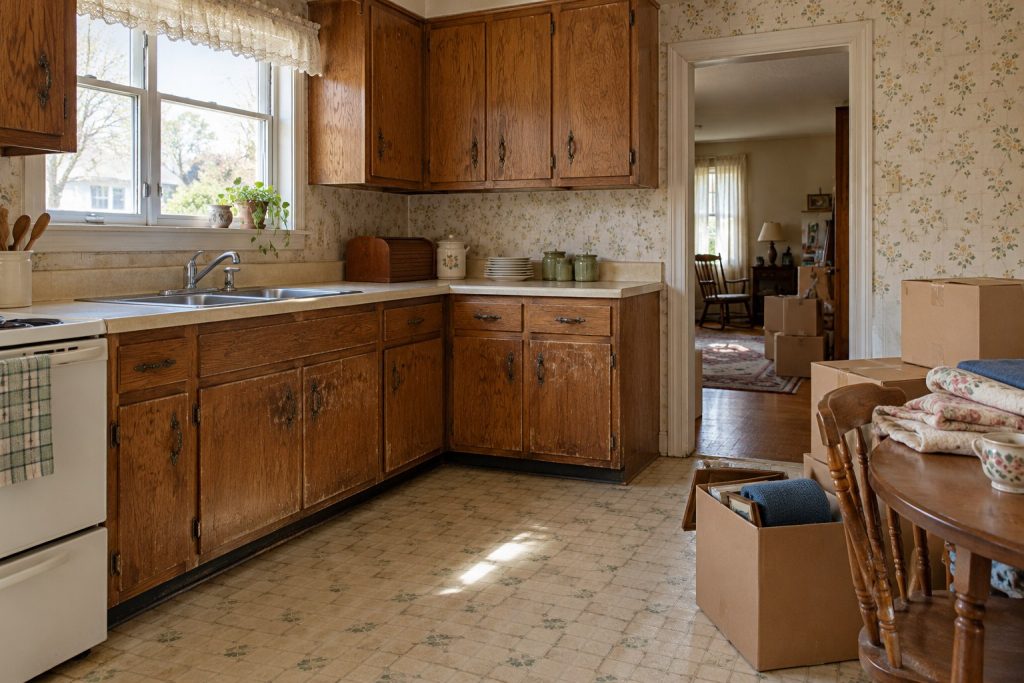
When I see cosmetic repairs needed in a listing, I immediately start asking questions. What is the age of the roof? Has the HVAC system been serviced in the last five years? Are there any signs of water damage in the basement? The answers to those questions tell me whether the house is actually a fixer-upper or whether it is a property that should be sold as an as-is sale to a cash buyer.
The Hidden Costs of Cosmetic Repairs
Let me give you a real example. A few years ago, I worked with a family who inherited a house from their parents. It was a beautiful old Victorian, and the only visible issues were peeling paint and a few cracked windows. The family thought they could do the work themselves and sell for a profit. They got a home inspection, and that is when the trouble started. The plumbing repair needed was extensive. The electrical upgrade was mandatory before any insurance company would write a policy. The foundation had settled in a way that required structural engineering work. Suddenly, their weekend project turned into a six-month renovation with a repair estimate that was more than the value of the house.
That family ended up selling the property to a company that buys houses for cash as-is. They avoided the headache, the closing costs, and the months of uncertainty. They got a cash offer in a matter of days and closed through a title company without any drama. It was not the outcome they had imagined, but it was the right one.
And that is the thing about inherited property. It often comes with a lot of emotional weight. You remember the house the way it was when you were a kid. You do not see the deferred maintenance. You do not see the plumbing repair that was never done or the roof replacement that was put off year after year. You see the memories. That is why having a neutral third party, like a real estate agent or a home inspector, is so important. They see the house for what it is, not what it used to be.
When Cosmetic Repairs Needed Is Actually a Warning Sign
I have learned that cosmetic repairs needed is often a code phrase for "we are selling this house as-is and we do not want to fix anything." That is not necessarily a bad thing. Some of the best deals I have ever seen were houses that needed cosmetic work but had solid bones. The problem is that you cannot tell which category a house falls into without doing your homework.
A seller disclosure is your first clue. In many states, sellers are required to disclose known defects. If the disclosure mentions foundation issues, a roof replacement, or an HVAC system that is original to the house, you know you are looking at more than cosmetic repairs. But if the disclosure is clean and the only issues are cosmetic, you might have found a gem.

I always recommend getting a property appraisal before you make an offer on a house that needs work. An appraiser will give you a sense of the after-repair value. Combine that with a repair estimate from a licensed contractor, and you will know exactly what you are getting into. Do not rely on Zillow or any online estimate for this. Zillow is great for getting a sense of the market, but it does not know that your house needs a new roof. It does not know that the electrical upgrade is going to cost you fifteen grand. You need boots on the ground for that.
The As-Is Sale Option
If you are a homeowner looking at a property that needs more than cosmetic work, or if you are a seller who does not want to deal with the hassle of repairs, an as-is sale can be a smart move. Companies that buy houses for cash as-is are not looking for perfection. They are looking for potential. They will give you a cash offer based on the condition of the house right now, not what it could be after you spend months and thousands of dollars on repairs.
The escrow process for an as-is sale is usually straightforward. There is no financing contingency because the buyer is paying cash. That means fewer inspections, fewer delays, and fewer chances for the deal to fall through. You still work with a title company to make sure the ownership is clean, and you still handle the seller disclosure honestly. But you skip the part where you have to make your house look perfect for a buyer who might walk away anyway.
I have seen families use this option when they inherited a property that was too far gone to sell on the open market. I have seen retirees use it when they needed to move quickly and did not have the energy to manage contractors. And I have seen investors use it when they wanted to buy a house below market value and put in the work themselves. In every case, the key was being honest about what the house needed and not pretending that cosmetic repairs needed was the whole story.
How to Tell the Difference
So how do you know if a house really just needs cosmetic work, or if it has deeper problems? Here is what I look for:
- Check the age of the major systems: roof, HVAC, electrical panel, water heater, and windows. If any of those are over 20 years old, budget for replacement.
- Look for water stains on ceilings and walls. Water always wins. If you see a stain, the leak is probably still there.
- Check the foundation for signs of movement. A hairline crack in the concrete is normal. But if the crack is wider than a quarter inch or if the floor is sloping, you have foundation issues.
- Open the electrical panel. If you see a mess of wires or if the panel is a brand you have never heard of, plan for an electrical upgrade.
- Run the water in every sink and flush every toilet. Low pressure or slow drains are signs of plumbing repair that may be more extensive than you think.
If you go through that list and the house checks out, then you are probably looking at a property where cosmetic repairs needed is the honest truth. But if you find any red flags, do not ignore them. Get a contractor in there for a real repair estimate before you make an offer. That estimate could save you from making a huge mistake.

The Bottom Line
Cosmetic repairs needed can be an opportunity or a trap. The difference is in the details. A house that needs paint and carpet is a project you can tackle over a weekend. A house that needs a roof replacement and a new HVAC system is a project that will consume your savings and your sanity. Do not let the fresh paint fool you. Look at the bones of the house, look at the systems, and look at the seller disclosure. If the numbers do not add up, consider an as-is sale to a cash buyer. It might be the fastest and most honest way to move on.
And if you are the seller, be honest with yourself. If your house has more than cosmetic repairs needed, do not try to hide it. The home inspection will find it anyway. Put it on the market as an as-is sale with a realistic price, and let the market decide. You will save yourself the time, the stress, and the closing costs of a deal that falls through. That is the kind of clarity that makes real estate work for everyone involved.